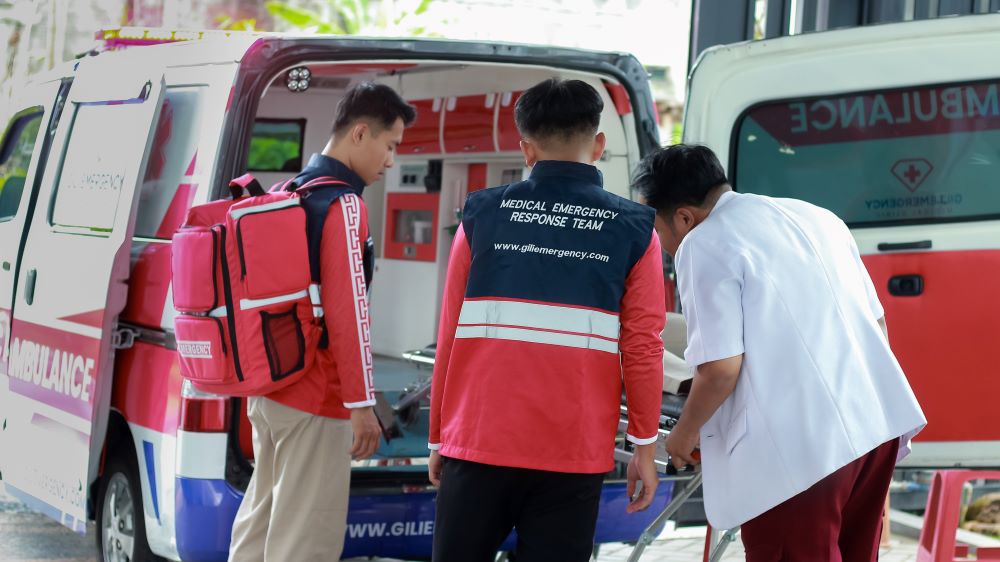
If you’ve ever imagined the Gili Islands as pure paradise—turquoise water, soft white sand, and that calm island vibe—you’re totally right. But here’s the twist nobody talks about: when a Gili emergency hits, especially a health emergency, things can get intense quickly. I’ve seen travelers panic simply because they didn’t know what to do or where to go. And honestly… who expects a medical crisis while sipping a coconut by the beach?
That’s why understanding how to navigate health-related emergencies in the Gilis is not just useful. It’s essential. And once you know the steps, you’ll feel far more grounded—even if something unexpected happens.
Let’s dive in, slowly, like dipping your toes into the warm Gili air.
Understanding What “Gili Emergency” Really Means
When people hear Gili emergency, they often imagine dramatic boat rescues or someone being rushed to Bali. Sure, that can happen. But in reality, most emergencies here are related to health: dehydration, infections, diving accidents, allergic reactions, asthma attacks, or injuries from that infamous Gili bike crash (we’ve all seen it… sand and beginner cyclists don’t mix well).
Being on the Gilis means limited access to advanced medical care. The islands—Gili Trawangan, Gili Air, and Gili Meno—don’t allow motorized vehicles. No ambulances. No large hospitals. Just clinics and speedboats. So when your health turns south, every decision matters.
And here’s the kicker: when you’re calm and know what to do, everything feels 10x easier.
Why Medical Issues Feel Bigger on the Gilis
Imagine this: you wake up with severe stomach pain. The fan hums overhead. The room feels hotter than usual. Your mind keeps jumping—Is it food poisoning? Something worse?
That little flicker of panic? Totally normal.
It happens because:
-
You’re far from big hospitals
-
There’s limited equipment on the islands
-
Boat schedules and sea conditions can affect evacuation
-
Pain + uncertainty = brain making scary movies
I once helped a traveler with a diving-related ear injury. Nothing life-threatening, but the anxiety? Massive. The moment she heard “You may need to go to Bali,” her eyes widened like she’d been hit with a plot twist. But after walking her through steps, options, and what to expect, she went from shaky to steady in minutes. Sometimes clarity is medicine.
What to Do First During a Gili Emergency
1. Stay grounded (yes, really)
Before you run to the nearest clinic barefoot, take a slow breath. Your mind needs a second to switch from panic to strategy. Notice anything around you—sound of waves, warmth of the air—just to anchor yourself for a moment.
It sounds simple, but this is how you lead your mind from fear to action.
2. Assess your symptoms clearly
Ask yourself:
-
Is this life-threatening?
-
Can I walk?
-
Am I breathing normally?
-
Is bleeding controllable?
-
Is pain worsening or stable?
A clear self-check helps you communicate better when you reach help.
3. Go to a local clinic
Each Gili island has at least one main medical clinic. They handle:
-
Fever and dehydration
-
Minor wounds
-
Ear and sinus issues
-
Allergic reactions
-
Soft-tissue injuries
-
Basic medications
-
Initial assessment for serious cases
They cannot perform surgery or advanced imaging. But they can stabilize you—which is often the most crucial step in any Gili emergency.
4. Follow medical recommendations (even if annoying)
If the clinic tells you to transfer to Lombok or Bali, don’t brush it off. They know exactly what equipment isn’t available on the islands.
And trust me: taking action early prevents things from escalating.
When You Actually Need Evacuation
Symptoms that require leaving the Gilis immediately:
-
Difficulty breathing
-
Suspected broken bones
-
Severe allergic reaction
-
High fever with dizziness
-
Diving-related issues (ear barotrauma, decompression sickness)
-
Deep cuts or major wounds
-
Uncontrolled vomiting or dehydration
-
Chest pain
I once watched a man debate whether his chest tightness was “just stress.” Minutes matter in these situations. When you’re on a small island, you can’t afford to delay.
How evacuation works
Depending on the urgency:
-
Speedboat to Lombok (20–30 minutes) → nearest hospitals
-
Speedboat to Bali (longer, but sometimes recommended for better facilities)
-
24/7 emergency boats available through clinics or private operators
Sea conditions can affect travel time. At night, options may be more limited—but still available for critical cases.
The Hidden Challenges Most Travelers Don’t Expect
Let me tell you a tiny story.
A friend of mine got severe food poisoning on Gili Air. Nothing unusual, right? But dehydration hit quick in the tropical heat. She couldn’t stand without her vision going blurry, and clinics were busy because a diving group came in with ear injuries.
The real problem?
She didn’t have enough cash on hand. And many clinics on the Gilis prefer immediate payment.
Not fun.
So here’s what most people don’t know:
-
Bring cash for medical emergencies.
-
Less signal = card machine chaos.
-
Travel insurance with medical evacuation = absolute gold.
-
Many clinics can coordinate with insurance, but communication takes time.
A Gili emergency is rarely about the illness alone—it’s the combination of heat, logistics, money, timing, and uncertainty.
Smart Prevention (Because No One Wants a Medical Surprise)
Hydrate like you’re training for a marathon
Heat + sun + salty air = unexpected dehydration.
Your body can hit empty before you realize it.
Watch what you eat
Food is amazing on the Gilis—but not all kitchens are equal.
Look for:
-
Busy places
-
Fresh, hot dishes
-
Clean environment
Be careful with bikes
Sandy paths + night rides + no streetlights = common injuries.
I’ve seen more shin wounds here than anywhere else.
Dive responsibly
Equalize early, equalize often. And never dive when congested.
Carry a tiny “just-in-case” kit
A few basics that save stress:
-
Oral rehydration salts
-
Motion sickness tablets
-
Antihistamines
-
Band-aids
-
Electrolytes
A little prep = smoother trip.
Why Staying Calm Helps You Make Better Medical Decisions
The human brain is incredibly responsive to language. When you use phrases like “I can handle this” or “There is a clear next step”, your nervous system actually softens its alarm response.
In other words: the words you tell yourself become medicine.
During any Gili emergency, try this tiny technique:
“Okay. I know the next step. I can move toward it.”
Short. Grounding. Effective.
And once your mind steadies, everything feels less frightening.
What Locals Want You to Know About Health Emergencies
After years around the Gilis, I’ve heard the same things from clinic staff and locals:
-
Don’t wait until night if your symptoms are bad
-
Don’t underestimate the heat
-
Don’t dive when unwell
-
Don’t assume clinics can do everything
And the biggest one:
“Please come early. When people come too late, that’s when things get complicated.”
Simple but powerful.
Your Health Should Never Be an Afterthought in a Gili Emergency
Look—no one plans for a health crisis while enjoying island life. But life doesn’t always follow the itinerary. When a Gili emergency hits, having the right mindset and knowing the steps can turn a scary moment into something manageable.
Stay calm. Act early. Trust the process.
And remember: you’re not alone—help is always there.